Sources:
- Interview Angus Ross
- Download the case study from Forest Policy Group

Case study
A new company structure improved transparency and communication between local landowners while securing sustainable woodland management and community benefit.
At a glance
Location
Aberdeenshire
Landowner type
Private company
Theme
Ownership, governance
Key issue
Management succession
Copyright Old Castle Wood Ltd
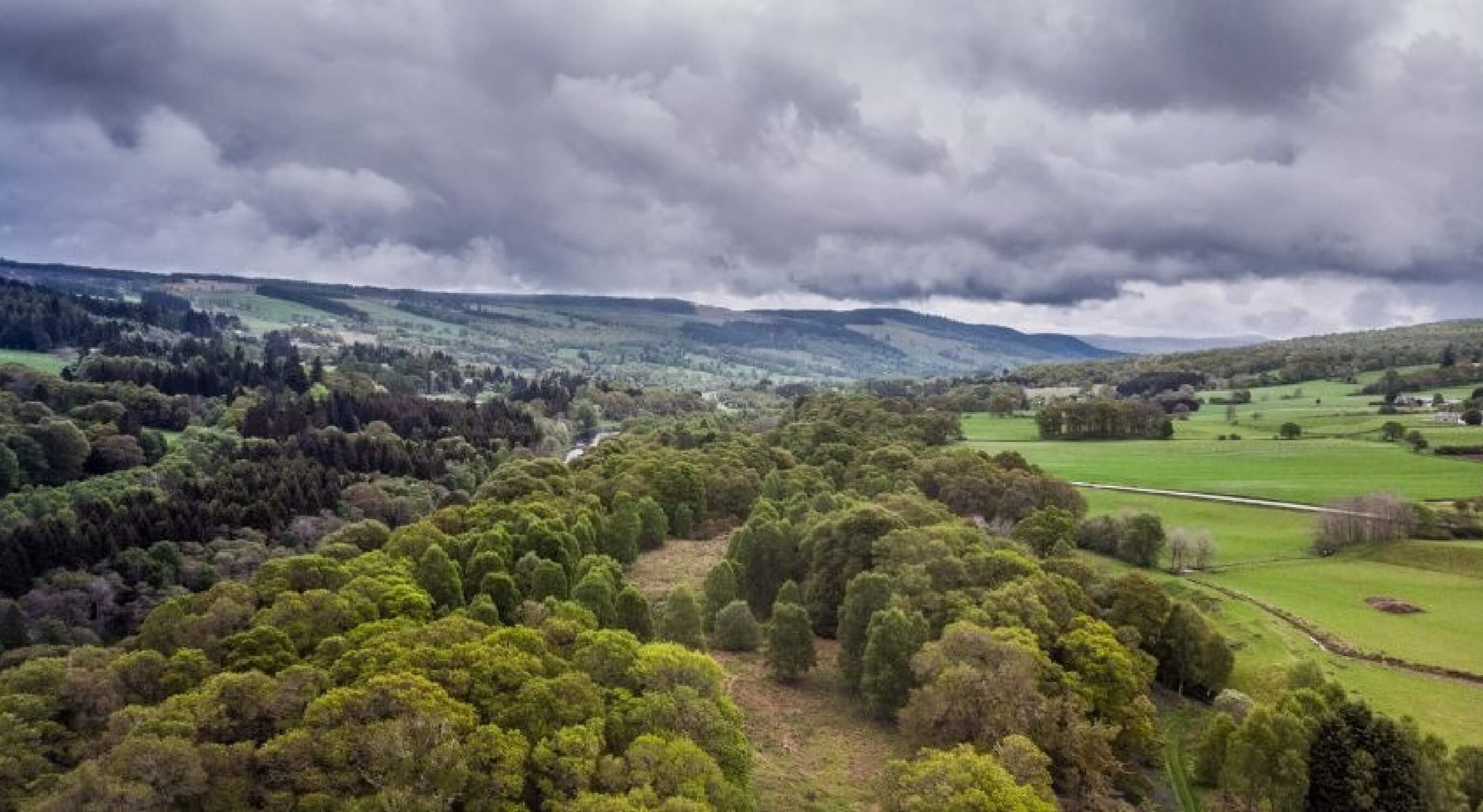
The previous landowner acquired the wood in the 1960s but it became increasingly difficult for him to manage, and he decided he wanted to pass it on to a local forester who then explored options to buy the wood. The forester approached different people in the local area – people that did not know each other at the time – with a view to combining different skillsets that were considered essential or very beneficial to productive woodland management. A group was formed to pool resources to buy the wood together. Shareholders include two foresters, a sawmiller and a furniture maker.
A decision was made to incorporate the group into a limited company, Old Castle Wood Ltd, which legal entity owns the forest. All families hold equal shares (ten shares in total, two shares each) in the company. The company structure was chosen with a long-term view of sustainable woodland management in mind. It would ensure that shares could be transferred to current or new shareholders, if a shareholder no longer could or wanted to be involved, without risk of fragmentation of the wood. Today, the shareholders are still the same but active thought is going into questions around future ownership of the wood and creating opportunities for young people.
Decision-making about woodland management sits with the shareholders who come together once a month for a ‘working weekend’. Despite diverse views on, for example, the commercial and social value and purpose of the wood, it has always been possible to make consensus decisions and agree on a management plan.
Copyright Old Castle Wood Ltd
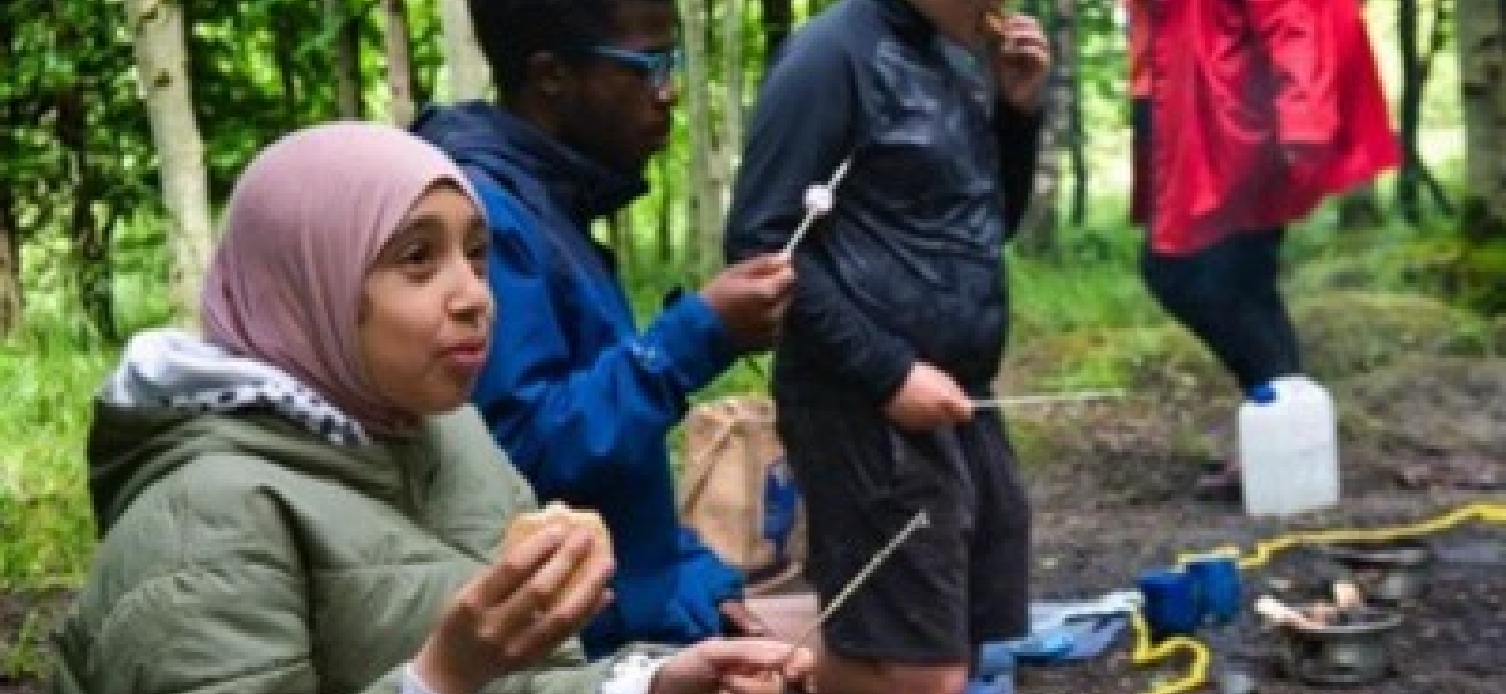
A decision was made early on to thin the wood, and improve public access by creating footpaths, and this has happened with some support from the Scottish Forestry Grant Scheme. Viewpoints were created to enhance the experience of people who access the woodland. The woodland is also used by a local bush-craft SME, and has in the past been used by a Forest School. The furniture maker, Angus Ross, who is a shareholder in the limited company, has provided training and apprenticeship and now employs three full time furniture makers and a full-time administrator. The timber from the woodland - sourced from thinning - attributes to 30% of the total turnover of the company.
Sources:
Related case studies


Get the latest news, research and events from the Scottish Land Commission direct to your inbox